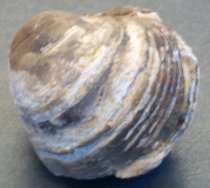
Search Term Record
Metadata
Name |
South San Francisco |
Number of Archive records |
58 |
Number of Object records |
81 |
Number of Photo records |
68 |
Number of Library records |
15 |
Related Records
-
04-SM-186 - 0.2 Mile East of Rte. 280(239) to Rte. 82(2) - Document File
04-SM-186 - 0.2 Mile East of Rte. 280(239) to Rte. 82(2), 1965-1966. Right of way acquisition documents for parcels of land in San Mateo County. This file shows parcels needed for I-380 through San Bruno including a portion of the former Tanforan racetrack. Photographs show undeveloped areas of San Bruno, Daly City, and South San Francisco.
Record Type: Archive

-
04-SM-380-186 - Montgomery Avenue to So. Airport Blvd. - Document File
04-SM-380-186 - Montgomery Avenue to So. Airport Blvd, 1969-1972. Right of way acquisition documents for parcels of land in San Mateo County. This file concerns four parcels needed for construction of I-380. The parcels include a residential home in San Bruno and three unimproved industrial properties in South San Francisco.
Record Type: Archive

-
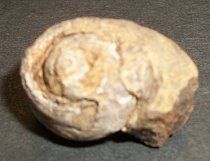
Achatinoidea sp., Sea Snail Fossil, 1.5-.75 Ma - Shell, Animal
Naticidae indet., moon snail fossil dating from between 1.5 million years ago to .75 million years ago commonly found at low tide in littoral (sandy and muddy bottom) or sub-littoral (open bay, muddy marine) zones. Fossil is coated with reddish sediment, likely indicating the presence of iron oxide. Underside surface is also coated in red sediment.
Record Type: Object
-
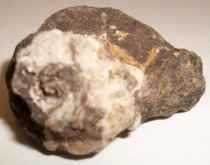
Achatinoidea sp., Sea Snail Fossil, 1.5-.75 Ma - Shell, Animal
Forreria sp., sea snail fossil dating from between 23.03 to 5.333 million years ago commonly found at low tide in littoral (sandy and muddy bottom) or sub-littoral (open bay, muddy marine) zones. Fossil is pale brown in color and embedded in darker brown sediment. Sediment is also exposed where shell loss has occurred. On bottom portion of fossil (sediment), there are areas that have reddish streaks, likely indicating the presence of iron oxid...
Record Type: Object
-
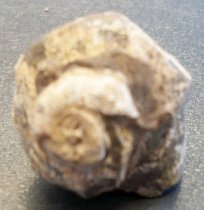
Achatinoidea sp., Sea Snail Fossil, 1.5-.75 Ma - Shell, Animal
Achatinoidea sp., sea snail fossil dating from between 1.5 million years ago to .75 million years ago commonly found at low tide in littoral (sandy and muddy bottom) or sub-littoral (open bay, muddy marine) zones. Fossil is pale gray and light brown, embedded in darker brown sediment. There is a band of darker colored sediment that appears near the top of the shell. Underside surface has shell fragments mixed with sediment.
Record Type: Object
-
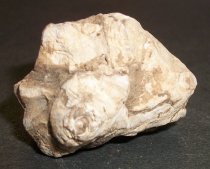
Achatinoidea sp., Sea Snail Fossil, 1.5-.75 Ma - Shell, Animal
Stramonita sp., sea snail fossil dating from between 1.5 million years ago to .75 million years ago commonly found at low tide in littoral (sandy and muddy bottom) or sub-littoral (open bay, muddy marine) zones. Fossil specimen is whelk-shaped, and pale beige in color. Dark brown sediment, as if packed inside the shell, is exposed where shell loss has occurred. Underside surface also reveals dark brown sediment where shell is lost, with uniden...
Record Type: Object
-
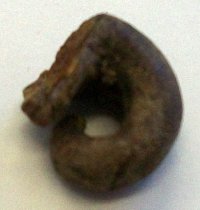
Achatinoidea sp., Sea Snail Fossil, 1.5-.75 Ma - Shell, Animal
Achatinoidea sp., sea snail fossil dating from between 1.5 million years ago to .75 million years ago commonly found at low tide in littoral (sandy and muddy bottom) or sub-littoral (open bay, muddy marine) zones. Fossil specimen is small and pigtail-shaped. Dark brown in hue overall, with reddish tinge at the larger end (likely indicating presence of iron oxide).
Record Type: Object
-
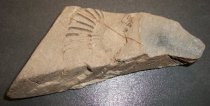
Achatinoidea sp., Sea Snail Fossil Cast, 1.5-.75 Ma - Shell, Animal
Ammonite sp., Sea Snail Fossil Cast dating from between 251-65million years ago commonly found at low tide in littoral (sandy and muddy bottom) or sub-littoral (open bay, muddy marine) zones. Partial imprint of a fossilized sea snail onto hardened sediment. Reddish brown coloring along the sides of this fossil specimen. Lighter colored patches also appear on the underside and along the sides.
Record Type: Object
-
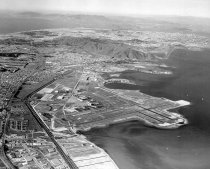
Aerial View from San Francisco International Airport (SFO), 1961 - Negative
Aerial View from San Francisco International Airport (SFO), 1961. Black and white negative shows an aerial view from the San Francisco International Airport (SFO) looking northwest. San Bruno, South San Francisco, and Oyster Point can be seen in the foreground. Past San Bruno Mountain is Brisbane, Daly City, San Francisco, the Pacific Ocean, San Francisco Bay, and the Marin Headlands. Angel Island and Alcatraz can be seen in the upper right of th...
Record Type: Photo
-
Aerial View of San Bruno Industrial Park, 1965 - Negative
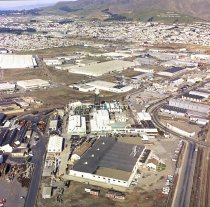
Aerial View of San Bruno Industrial Park, 1965. Color negative shows an aerial view of San Bruno Industrial Park looking northwest towards San Bruno Mountain and part of South San Francisco. The South San Francisco Hillside Sign can be seen at upper right in the image.
Record Type: Photo
-
Aerial View of San Francisco International Airport and Surrounding Cities, 1961 - Negative
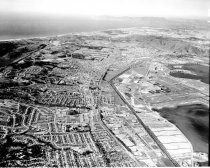
Aerial View of San Francisco International Airport and Surrounding Cities, 1961. Black and white negative shows an aerial view of San Francisco International Airport (SFO) and the surrounding cities, looking west. From the bottom of the photograph moving upwards are the cities of Burlingame, Millbrae, South San Francisco, Daly City, Brisbane and San Francisco.
Record Type: Photo
-
Aerial View of Western Millbrae, 1961 - Negative
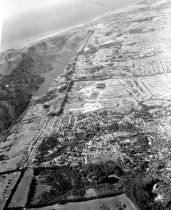
Aerial View of Western Millbrae, 1961. Black and white negative shows an aerial view of Western Millbrae. The San Francisco State Fish and Game Refuge can be seen in the upper left above San Andreas Lake. To the west in the upper left of the photograph is Pacifica, Sweeney Ridge (part of the Santa Cruz Mountains), and the Pacific Ocean. To the north on the upper right is South San Francisco and Daly City.
Record Type: Photo
-
Annelida sp., Worm Colony Fossil, 1.5-.75 Ma - Shell, Animal
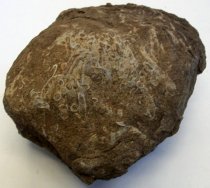
Annelida sp., worm colony fossil dating from between 1.5 million years ago to .75 million years ago commonly found at low tide in littoral (sandy and muddy bottom) or sub-littoral (open bay, muddy marine) zones. Fossil comprised of both worm colony fossilized remains (darker brown coloring) and castings (light gray coloring). Cylindrical and spherical shapes are easily identifiable on top surface. Underside surface appears to contain small she...
Record Type: Object
-
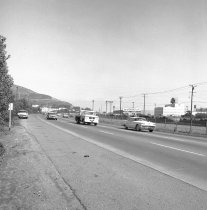
Bayshore Freeway in South San Francisco, 1964 - Negative
Bayshore Freeway in South San Francisco, 1964. Black and White photo negative of Bayshore Freeway in South San Francisco, California, just north of Grand Avenue. San Bruno Mountain in background. Part of a series. See also photo 2015.001.07386 to contrast 1965 development of Grand Avenue overpass. Part of a series. Description provided by the photographer, Norton Pearl, with assistance from project organizer Cynthia Schreurs.
Record Type: Photo
-
Bob Adams 2006 Sports Hall of Fame Plaque - Plaque, Award
Bob Adams 2006 Sports Hall of Fame Plaque. Plaque commemorating Bob Adams of El Camino High School and College of San Mateo being inducted into the San Mateo County Sports Hall of Fame on June 22, 2006. Plaque includes image of Adams and a brief biography: "Who would have guessed it? As a kid growing up in South San Francisco, he was not a physical specimen by any stretch of the imagination. He was so skinny he quit playing football after hi...
Record Type: Object

-
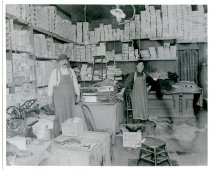
Bortoli Shoe Store, South San Francisco, 1910 - Print, Photographic
Bortoli Shoe Store, South San Francisco, 1910. Black-and-white photograph shows a shoe store interior, with two men posing in front of walls stocked with shoe boxes. The man on the left, store owner Giovanni Bortoli, has a large mustache and wears an apron and bowler hat. The unidentified man on the right is younger and also wears an apron. Tables and various small tools stand between them and in the photo's foreground.
Record Type: Photo
-
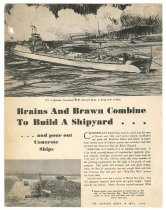
Brains and Brawn Combine to Build a Shipyard. . . and Pour Out Concrete Ships - The Marine News
Reprint of the article "Brains and Brawn Combine to Build a Shipyard" from the May 1943 issue of The Marine News. The article covers Barrett & Hilp's contribution to the war effort at Belair shipyard.
Record Type: Library
-
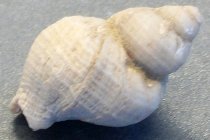
Buccinum sp., Whelk (sea snail) Fossil, 1.5-.75 Ma - Shell, Animal
Neptunea sp., whelk (sea snail) fossil, 1.5-.75 Ma dating from between 1.5 million years ago to .75 million years ago commonly found at low tide in littoral (sandy and muddy bottom) or sub-littoral (open bay, muddy marine) zones. Fossil is light brown overall, with a dark spot (mixed with what appears to be white shell fragments) toward the top of its shell. Growth lines are easily visible. Underside surface has other shell fragments and sedim...
Record Type: Object
-
Buccinum sp., Whelk (sea snail) Fossil, 1.5-.75 Ma - Shell, Animal
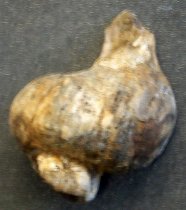
Neogastropoda indet., whelk (sea snail) fossil dating from between 1.5 million years ago to .75 million years ago commonly found at low tide in littoral (sandy and muddy bottom) or sub-littoral (open bay, muddy marine) zones. Fossil is snail-shaped, with easily identifiable swirl at one end. Specimen is overall brown in hue, with some reddish patches, likely indicating the presence of iron oxide. Sediment within the shell is visible from under...
Record Type: Object
-
California Golf Club of San Francisco on Fire, South San Francisco - Negative
Black and white negative taken between 1958-1960 of firefighting efforts at the California Golf Club of San Francisco in South San Francisco. The image shows smoke billowing from the top of the clubhouse building with several firemen and half a dozen other men facing the façade. One jet of water is aimed into an upstairs window and a second jet of water is aimed at the roof of the structure.
Record Type: Photo

-
Cardium nuttalli, Cockle Clam Fossil, 1.5-.75 Ma - Shell, Animal
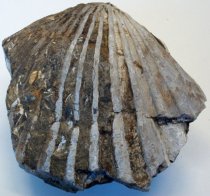
Cardium nuttalli, cockle fossil dating from between 23.03 to 5.333 million years ago commonly found at low tide in littoral (sandy and muddy bottom) or sub-littoral (open bay, muddy marine) zones. Top and bottom valves of this specimen remain connected by an intact ligament. Reddish sediment and shell fragments fill most of the spaces between ribs of the top valve. Space between four ribs are free of sediment. Most of the bottom valve has bee...
Record Type: Object
-
Cardium nuttalli, Cockle Fossil, 1.5 - .75 Ma - Shell, Animal
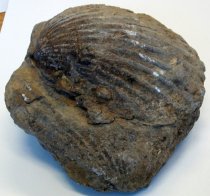
Lyropecten sp., fossil, Miocene dating from between 23.03 to 5.333 million years ago commonly found at low tide in littoral (sandy and muddy bottom) or sub-littoral (open bay, muddy marine) zones. Fossil is comprised of two scalloped-shaped shells, one shell overlapping another, with ribs extending the entire length of the shells. Overall, light brown in hue, as if packed in dirt. Underside surface contains both shell fragments and small shell c...
Record Type: Object
-
Cardium nuttalli, Cockle Fossil, 1.5 - .75 Ma - Shell, Animal
Lyropecten? Dosinia? Other? fossil, probably from the Miocone dating from between 23.03 to 5.333 million years ago commonly found at low tide in littoral (sandy and muddy bottom) or sub-littoral (open bay, muddy marine) zones. This Cardium specimen is attached to two other smaller specimens. The Cardium (a large, scalloped-shaped shell) sits at the bottom. Ribs on shell appear to extend the entire length of shell. Attached at the top are two ...
Record Type: Object

-
Cardium sp.,Cockle (clam) Fossil, 1.5-.75 Ma - Shell, Animal
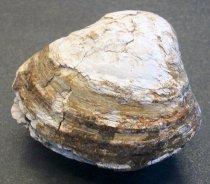
Pseudocardia densatom,cockle (clam) fossil, probably Miocene dating from between 23.03 to 5.333 million years ago commonly found at low tide in littoral (sandy and muddy bottom) or sub-littoral (open bay, muddy marine) zones. Fossil specimen has a fully preserved top and bottom shell, still connected by the ligament. Both shells are concave in shape. A fracture runs down the middle of the top shell. Area closest to the ligament is white; the...
Record Type: Object
-
Cardium sp.,Cockle (clam) Fossil, 1.5-.75 Ma - Shell, Animal
Pseudocardia densatom, cockle (clam) fossil, Miocene to Pleistocene dating from between 23.03 to .012 million years ago commonly found at low tide in littoral (sandy and muddy bottom) or sub-littoral (open bay, muddy marine) zones. Fossil specimen is comprised of two shells sandwiched together. Larger shell on top has distinct growth rings, with sediment filling the spaces between rings. Smaller shell on underside surface also has growth rings...
Record Type: Object